Source hypoallergenic mirror polished wedding rings for Wedding, Gift, Decoration
Compare 30 listings of hypoallergenic mirror polished wedding rings from verified suppliers in China. Buyers can evaluate options for wedding ceremonies, anniversary gifts, and decorative purposes based on material, finish, and customization availability.
Key considerations
Products List


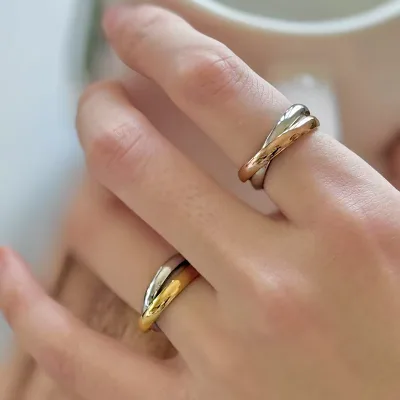


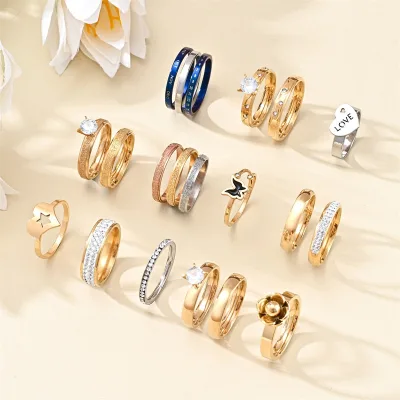

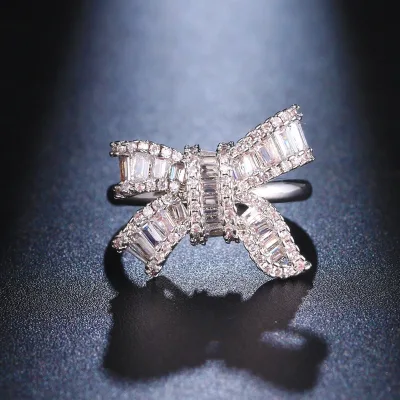


Comprehensive Sourcing Guide
Hypoallergenic Mirror Polished Wedding Rings Sourcing Guide
Sourcing hypoallergenic mirror polished wedding rings requires a disciplined approach that balances aesthetic precision with material safety. The term "mirror polished" refers to a specific surface finish achieved through rigorous mechanical or chemical processes, resulting in a highly reflective, smooth surface that minimizes friction against the skin. This finish is not merely cosmetic; it reduces the accumulation of dirt and oils, which can exacerbate skin sensitivities over time. For buyers targeting the wedding and engagement market, the visual appeal of a mirror finish is a significant selling point, but it must be paired with materials that do not trigger allergic reactions, such as high-grade stainless steel or sterling silver.
The "hypoallergenic" claim is a critical differentiator in the jewelry supply chain, particularly for consumers with nickel sensitivities or metal allergies. While many metals are marketed as hypoallergenic, the reality of manufacturing involves multiple steps, including plating, alloying, and finishing, each of which can introduce potential irritants. Buyers must understand that hypoallergenic properties are not inherent to the final product alone but are the result of controlled material selection and processing. This guide outlines the essential verification steps, technical specifications, and commercial considerations necessary to source these rings effectively while mitigating the risks associated with false claims or substandard manufacturing practices.
Product Scope and Observed Listing Signals
The current market landscape for wedding rings includes a diverse range of styles, from geometric designs to traditional bands, with varying degrees of customization and material composition. Observed listings indicate a price range of $0.15 to $27.21 USD, reflecting the wide spectrum from mass-produced fashion accessories to higher-quality artisanal pieces. The minimum order quantity (MOQ) typically ranges from 1 to 1000 units, allowing for flexibility in procurement strategies, whether for small boutique orders or large-scale distribution. These signals suggest that buyers can find options suitable for various business models, from dropshipping to wholesale distribution, but the variance in pricing and MOQs necessitates careful evaluation of value versus volume.
Material composition is a primary driver of both cost and hypoallergenic performance. Stainless steel and 925 sterling silver are commonly observed materials in this category, each offering distinct advantages. Stainless steel is known for its durability and resistance to corrosion, while sterling silver provides a classic aesthetic and is generally well-tolerated by sensitive skin, provided it is alloyed correctly. The observed customization options, including OEM and ODM services, indicate that suppliers are equipped to handle specific design requirements, such as unique 3D designs or laser engraving. Buyers should leverage these capabilities to create differentiated products but must ensure that the customization process does not compromise the hypoallergenic integrity of the ring.
Technical Specifications to Verify
Surface finish quality is paramount for mirror-polished rings, as any imperfections can detract from the aesthetic appeal and potentially harbor irritants. Buyers should verify the polishing process, which may include mechanical polishing, electroplating, or other fabrication techniques, to ensure a consistent and defect-free surface. The observed use of electroplating in some listings suggests that a base metal may be coated with a hypoallergenic layer, such as gold or rhodium, to enhance appearance and durability. It is crucial to confirm the thickness and adhesion of any plating, as thin or poorly adhered coatings can wear off over time, exposing the underlying metal and potentially causing allergic reactions.
Dimensional accuracy and weight are also key technical specifications that impact both the user experience and the perceived value of the product. Standard sizes observed in the market range from 6mm to 11mm in width, with weights around 4 grams for certain models. Buyers should ensure that the supplier can maintain tight tolerances in sizing and weight, as inconsistencies can lead to customer dissatisfaction and returns. Additionally, the use of specific models, such as KR43432-K or KR104643-WGLO, indicates that suppliers may have established production lines for specific designs. Verifying that the supplier can replicate these specifications consistently is essential for maintaining product quality across large orders.
Compliance and Safety Documentation
Third-party appraisal certificates are a critical component of verifying the hypoallergenic claims of wedding rings. These certificates provide independent validation of the material composition and safety standards, offering buyers confidence in the product's suitability for sensitive skin. Buyers should request these certificates from suppliers and verify their authenticity with the issuing body. The presence of a third-party appraisal suggests that the supplier has undergone rigorous testing and meets specific safety criteria, which is particularly important for products marketed as hypoallergenic. Without such documentation, buyers risk sourcing products that may not meet the claimed safety standards, leading to potential liability and reputational damage.
Compliance with international standards for jewelry materials is another essential consideration. While specific standards may vary by region, buyers should ensure that the supplier adheres to recognized guidelines for metal content and plating safety. For example, regulations may limit the amount of nickel in alloys or require specific labeling for precious metals. Buyers should inquire about the supplier's compliance with these standards and request evidence of adherence, such as test reports or certification documents. This due diligence helps to mitigate the risk of non-compliance and ensures that the products can be sold in target markets without legal or regulatory hurdles.
Cost Drivers and Commercial Terms
The cost of hypoallergenic mirror polished wedding rings is influenced by several factors, including material costs, labor, and the complexity of the manufacturing process. Stainless steel and sterling silver have different price points, with sterling silver generally being more expensive due to its higher intrinsic value. The mirror polishing process, especially when combined with electroplating, adds to the production cost, as it requires additional time and expertise. Buyers should analyze the cost structure to understand the value proposition of each supplier and identify opportunities for cost optimization without compromising quality.
Commercial terms, such as payment methods and shipping options, also play a significant role in the procurement process. Common payment methods include T/T, bank transfer, PayPal, and Western Union, each with its own advantages and risks. Buyers should choose payment methods that offer security and flexibility, such as escrow services or letters of credit, for larger orders. Shipping options, including DHL, FedEx, TNT, and UPS, vary in cost and delivery time, so buyers should select the most appropriate method based on their timeline and budget. Clear communication of these terms with suppliers is essential to avoid misunderstandings and ensure a smooth transaction.
Supplier Qualification and Quality Control
Supplier qualification is a critical step in ensuring the reliability and quality of hypoallergenic mirror polished wedding rings. Buyers should assess the supplier's manufacturing capabilities, including their equipment, workforce, and quality control processes. Suppliers located in regions like Dongguan and Guangzhou, China, are known for their expertise in jewelry manufacturing, but buyers should still conduct thorough due diligence to verify their credentials. This may include site visits, audits, or requests for references from other clients. A qualified supplier will have a robust quality control system in place to ensure that each product meets the specified standards.
Quality control measures should be implemented throughout the production process, from raw material inspection to final product packaging. Buyers should request detailed quality control reports and inspection results from suppliers to verify that the products meet the required specifications. This includes checking for surface defects, dimensional accuracy, and material composition. Implementing a pre-shipment inspection can help to identify and rectify any issues before the products are dispatched, reducing the risk of receiving defective goods. Establishing a clear quality agreement with the supplier, outlining the acceptable quality levels and remediation procedures, is essential for maintaining consistent product quality.
Long-Term Procurement Checks
Long-term procurement success depends on continuous monitoring and evaluation of supplier performance. Buyers should establish key performance indicators (KPIs) to track metrics such as on-time delivery, product quality, and responsiveness to issues. Regular reviews of these metrics can help to identify trends and areas for improvement, allowing buyers to address potential problems proactively. Building a strong relationship with suppliers based on transparency and mutual benefit can also enhance collaboration and lead to better outcomes. Buyers should maintain open communication with suppliers and provide feedback on product performance to foster a partnership focused on continuous improvement.
Adapting to market changes and consumer preferences is another critical aspect of long-term procurement. The jewelry market is dynamic, with trends in design, material, and style evolving over time. Buyers should stay informed about these trends and adjust their sourcing strategies accordingly to remain competitive. This may involve exploring new suppliers, materials, or design options to meet changing consumer demands. Additionally, buyers should consider the sustainability and ethical implications of their sourcing practices, as these factors are increasingly important to consumers. By prioritizing responsible sourcing and innovation, buyers can build a resilient and future-proof procurement strategy for hypoallergenic mirror polished wedding rings.
FAQs
What materials are used for these wedding rings?
The rings are crafted from stainless steel and 925 sterling silver. These materials ensure durability and a hypoallergenic finish suitable for sensitive skin while maintaining a premium look for couples.
Can I customize the rings with a specific design?
Yes, customization is available for these rings. Buyers can request unique 3D designs, laser engraving logos, and specific inlay technologies to meet individual wedding or gift requirements.
What is the minimum order quantity for these rings?
The minimum order quantity varies by product but can be as low as 30 pieces. Some listings allow orders starting from just one unit, while others require up to 1000 pieces.
How are the rings packaged for shipment?
Rings are typically packed in OPP bags, carton boxes, or paper cases. This packaging ensures protection during transit and is suitable for wholesalers and distributors receiving bulk orders.
Which certifications do these rings hold?
The products come with third-party appraisal certificates. This verification ensures the quality and material composition meet industry standards for wedding and engagement jewelry.
Where are these rings manufactured?
These rings originate from manufacturing hubs in Dongguan and Guangzhou, China. This location allows for efficient production and shipping via major carriers like DHL, FedEx, and UPS.
What payment methods are accepted for these orders?
Accepted payment methods include T/T, bank transfer, PayPal, and Western Union. These options provide flexibility for international buyers and distributors purchasing in bulk.